BUICK 5693755 Steering Idler Arm
fits make: Buick. year: 1963–1965.
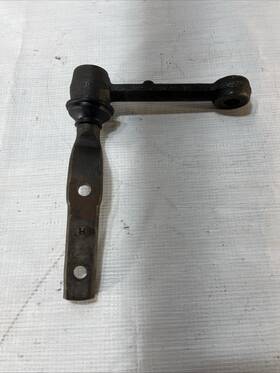
( Manufacturer Part Number: 5693755 ), ( Type: Idler Arm ), ( Years: 1963-65 ), ( Material: Steel ), ( Vintage Part: Yes ), ( Country Of Origin: United States ), ( Placement On Vehicle: Front )
Review BUICK Steering Idler Arm #5693755 fits 1963–1965
The **Buick Steering Idler Arm (Part #5693755)** is a precision-engineered component designed exclusively for 1963 through 1965 Buick vehicles, ensuring smooth and responsive steering performance in classic models like the Invitation, Electra, and Skylark series. This high-quality replacement part is crafted to match the original specifications, featuring a durable forged steel construction that resists wear and deformation over time. The idler arm plays a critical role in the steering linkage system by maintaining proper alignment and tension between the steering column and the pitman arm, preventing excessive play and ensuring accurate wheel direction. Engineered with a robust ball-joint connection, it accommodates smooth articulation while minimizing friction, which is essential for maintaining the integrity of the steering mechanism, especially in vehicles that have been subjected to years of use or exposure to harsh driving conditions. Whether replacing a worn-out original part or upgrading an older model for improved reliability, this idler arm is a direct-fit solution that restores the original handling dynamics of these iconic Buicks. Built to withstand the demands of daily driving, it helps eliminate steering vagueness, reduces unnecessary stress on the steering box and tie rod ends, and contributes to a more refined driving experience. Ideal for restoration projects or routine maintenance, this part is a must-have for enthusiasts seeking to preserve the performance and authenticity of their vintage Buick.
### **Pros and Cons of Buying a 1963-1965 Buick Steering Idler Arm (Part #5693755)**
#### **Pros:**The Buick steering idler arm (part #5693755) is a relatively straightforward and widely available replacement part for older Buick models, particularly the 1963-1965 series. Here are the key advantages of purchasing this part:
1. **Direct Fitment** This part is designed specifically for the 1963-1965 Buick models, ensuring compatibility without modification. It replaces the original idler arm, which may wear out over time due to rust, impact damage, or general wear.
2. **Cost-Effective Repair** Replacing a failed idler arm is a relatively inexpensive fix compared to other steering system failures. The part itself is reasonably priced, and labor costs are moderate since it s a simple bolt-on replacement.
3. **Prevents Further Damage** A worn or broken idler arm can cause excessive play in the steering column, leading to misalignment, uneven tire wear, or even damage to the steering rack or tie rods. Replacing it early prevents more costly repairs down the line.
4. **Easy Installation** The idler arm is typically located near the steering column and is held in place by a few bolts. Most mechanics or even experienced DIYers can replace it in under an hour with basic tools.
5. **Aftermarket Availability** This part is widely stocked by auto parts retailers (both new and used), making it easy to source. Many buyers can find it at reasonable prices, especially if purchasing from a reputable dealer or online marketplace.
6. **Durability Potential** If the rest of the steering system is in good condition, a new idler arm can last for years, reducing the likelihood of recurring issues.
---
#### **Cons:** While the part itself is beneficial, there are some potential drawbacks to consider before purchasing:1. **Age of the Vehicle** If the Buick is older or has significant rust, frame damage, or other mechanical issues, replacing just the idler arm may not be a long-term solution. The underlying vehicle condition could still lead to future problems.
2. **Rust and Corrosion** Older Buicks, especially those from the 1960s, are prone to rust. If the idler arm mount or surrounding components are corroded, the new part may not last as long unless the affected areas are cleaned and treated.
3. **Compatibility with Modified Systems** If the vehicle has been modified (e.g., aftermarket steering components, lifted suspension, or custom steering geometry), the stock idler arm may not fit perfectly. A custom or upgraded part might be needed.
4. **Quality Variability** Some aftermarket parts, particularly budget options, may be made from lower-quality materials. A poorly manufactured idler arm could fail prematurely or wear out quickly, negating the repair s benefits.
5. **Hidden Steering Issues** A failing idler arm is often a symptom of a larger problem, such as a worn steering box, damaged tie rods, or a leaking power steering pump. Replacing just the idler arm without addressing these issues may lead to recurring steering problems.
6. **Labor Costs** While the part itself is cheap, labor costs can add up, especially if the vehicle is difficult to work on (e.g., due to rusted bolts, limited access, or a complex suspension design).
7. **Limited Lifespan in Harsh Conditions** If the vehicle is driven in extreme conditions (e.g., off-roading, heavy loads, or frequent high-speed maneuvering), the idler arm may wear out faster than expected.
---
### **Conclusion:**Replacing the Buick steering idler arm (part #5693755) on a 1963-1965 model is a practical and cost-effective solution for restoring proper steering function. The part is easy to find, install, and replace, making it a logical choice for addressing a worn or broken idler arm. However, the decision should be made with an awareness of the vehicle s overall condition rust, hidden steering issues, or modifications could impact the longevity of the repair.
If the rest of the steering system is in good shape and the vehicle is otherwise reliable, replacing the idler arm is a smart investment. But if the car has significant underlying issues, it may be worth addressing those first to ensure the repair holds up over time.
---
### **Recommendation:** - **Proceed with Purchase** if:- The idler arm is clearly the source of the steering issue (e.g., excessive play, grinding noises, or misalignment).
- The rest of the steering system (tie rods, steering box, power steering components) appears to be in decent condition.
- You are confident in either finding a reputable seller (preferably a new or high-quality aftermarket part) or performing the installation yourself.
- The vehicle is otherwise drivable and worth the repair cost.
- **Consider Further Investigation** if:- The car has extensive rust or other mechanical issues that could affect the repair s success.
- You suspect other steering components (e.g., the steering box or tie rods) may also be failing.
- The vehicle is older and has high mileage, making it unclear whether the repair will be cost-effective long-term.
- **Alternative Options:**- If the car is a project vehicle, consider sourcing a used but serviceable idler arm from a junkyard to save money.
- If the steering system is part of a larger overhaul, bundle the repair with other necessary maintenance (e.g., fluid flushes, tie rod replacement).
- If the vehicle is not worth the repair, weigh the cost against potential alternatives (e.g., selling for parts, trading in, or keeping as a parts donor).
Ultimately, replacing the idler arm is a sound choice for a functional 1963-1965 Buick, provided the vehicle s condition supports it. Always inspect the surrounding components and consider the long-term viability of the car before committing to the repair.
Details:
Original Buick steering idler arm, part number 5693755. Shows typical aging including surface rust from sitting. Buyer should confirm compatibility and inspect photos before purchase. Ideal for restoration where original parts are preferred over modern replacements.
This is a true NOS GM suspension component that has never been installed. Hard to find original GM steering components in unused condition.
part #: 5693755 price
- $69.99
specifications pitmanidlear:
- for makes: Buick
- for years: 1963-1965
- mpn: 5693755
- type: Idler Arm
- years: 1963-65
- material: Steel
- vintage part: Yes
- country of origin: United States
- placement on vehicle: Front
shipping pitmanidlear:
- cost: $16.88
- type: Calculated
- transit: 5-11 Days
- carrier: UPS, FedEx
- service: UPS Ground, FedEx Ground / FedEx Home Delivery
- class: Standard
returns pitmanidlear:
- policy: Returns Accepted
- paid by: Seller
- time: 30 Days
general pitmanidlear:
- condition: New other see details
- Car Truck Parts Accessories > Steering Suspension > Pitman Idler Arms
offer pitmanidlear:
- sold: 0
- availability: In Stock
- options: Ship-to-home
- best offers: True
- quantity: 1
- started: May 2, 2026
payments pitmanidlear:
- credit card: Diners-club
- wallet: Paypal
- other
seller pitmanidlear:
- # reviews: 930
- rating: 99.2%
- city: Minneapolis, Minnesota
Buick 5693755 Is Similar To:
- 1379900 Buick Nos Electra Steering Idler Arm Series (51% similar) I offer free shipping on this item to the 48 lower states. May fit other model's but not sure about that. A lot of parts have factory flaws. Actual offer items are pictured. Just because it is nos does not mean may meet your expectations...(January 11th, 2019)
- 18533 Trw Idler Arm Buick (39.5% similar) Shipped USPS flat rate box us, 3 pounds, unless specified differently. New trow FS127 oem buick all with standard steering. Shipping cost not included in price...(January 15th, 2018)
- 18575 Trw Idler Arm Buick (42.1% similar) Note: 2ND design is 3/4 thick. Shipped USPS flat rate box us, 3 pounds, unless specified differently. Trow FA348 nos made in USA. New idler arm bracket and bushing. Buick skylark and special with 1ST design bracket support thick on threaded end. Shipping cost not included in price...(September 29th, 2017)
- 18628 Trw Idler Arm Buick (36.8% similar) New old stock McKay trow FA562 complete idler arm assembly. Shipping cost not included in price. Buick Sabre with manual steering. Shipped USPS flat rate box 4 pounds, unless specified differently. Buick 1964 la sabre note with metal plug at bottom of bracket end, wagon, wildcat and Electra manual...(November 15th, 2017)
- 18660 Trw Steering Idler Arm Buick Electra Riviera Wildcat Power (38.3% similar) Trow part number front power steering only free shipping is for continental USA...(June 9th, 2018)
- 18682 Trw Power Steering Idler Arm Buick Electra Wildcat 087674023306 (41.7% similar) Shipping:free shipping is for continental USA only. If any manufacturer warranty exists, it is between you and them. This part is actually physically in our possession and ready to ship immediately. Please through for any questions. None of which makes the part defective. Sometimes the fitment is so...(April 19th, 2018)
- Vintage Chevrolet Trw Pontiac 1971 Buick Usa 18743 1972 Oldsmobile Idler Arm (27.9% similar) Not offshore reproductions. Thanks and good luck buying...(June 6th, 2015)
- Vintage Pontiac Chevrolet Arm Buick Idler Trw Usa 18765 Oldsmobile 75 1974 76 (32.8% similar) Trow part number free shipping in continental us. Stored correctly, just like you like to find them vintage parts, made in the us. Not offshore reproductions. Thanks and good luck buying...(April 2nd, 2015)
- 20140 Rare Parts Buick Chevrolet Oldsmobile Pontiac Idler Arm Front Pc (36.4% similar) Safety, steering control, and all around smooth ride are the priorities when designing this replacement part. Shipping varies by part and destination. You can rely on rare parts products to keep your vehicle riding safely and comfortably. This item has been designed and engineered with the latest in...(December 25th, 2018)
- 20272 Rare Parts Buick Cadillac Chevrolet Oldsmobile Pontia Idler Arm Front (30.2% similar) What are looking. This item has been designed and engineered with the latest in cad programs computer equipment. We re big enough to deliver and small care. Shipping varies by part and destination. Collectors auto supply is your home for vehicles restoration needs. You can rely on rare parts ...(November 28th, 2018)
- 20495 Rare Parts Buick Cadillac Lasalle Oldsmobile Pontiac Idler Arm Repair (30.2% similar) Shipping varies by part and destination. Every part meets or exceeds the oem specifications. You can rely on rare parts products to keep your vehicle riding safely and comfortably. Collectors auto supply is your home for vehicles restoration needs. This item has been designed and engineered with the...(October 21st, 2018)