TRW 18736 Pitman Arm 383
fits model: Dart, Barracuda. make: Mopar, Dodge, Plymouth. year: 1968-69.
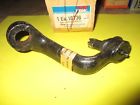
( Brand: Trw ), ( Manufacturer Part Number: 18736 ), ( Part Type: Arm ), ( Bundle Listing: No ), ( Country/region Of Manufacture: United States ), ( Greasable Or Sealed: Greasable ), ( Placement On Vehicle: Front ), ( Fitment Type: Direct Replacement )
Review TRW Mopar Dodge Plymouth Pitman Arm 383 fits DART BARRACUDA 1968-69
The TRW 18736 Pitman Arm is a critical component in the steering system of your 1968-69 Mopar Dodge Dart or Plymouth Barracuda with a 383 engine. This pitman arm is specifically designed for vehicles equipped with a power steering system.
The pitman arm, in simple terms, connects the steering box to the center link of your vehicle's steering system. It translates the rotational motion of the steering box into the linear motion required to move the tie rod ends, which ultimately turns the wheels.
This TRW pitman arm is made from high-quality materials, ensuring durability and longevity. It features a robust design to withstand the stresses and strains of regular use. The pitman arm is also precision-engineered to ensure accurate steering, providing you with a smooth and safe driving experience.
The TRW 18736 Pitman Arm is an OEM-quality replacement part, meaning it is manufactured to the same exacting standards as the original part. This ensures a perfect fit and ensures that your vehicle maintains its original performance and handling.
Installing the TRW 18736 Pitman Arm is a straightforward process, requiring basic tools and mechanical skills. The pitman arm comes fully assembled and ready to install, with no additional parts required.
In summary, the TRW 18736 Pitman Arm is a crucial replacement part for your 1968-69 Mopar Dodge Dart or Plymouth Barracuda with a 383 engine. It provides reliable performance, ensuring a smooth and safe driving experience. The pitman arm's robust design and precision engineering ensure a perfect fit and long-lasting performance.
Pros of buying a 1968-69 Mopar Dodge Dart/Plymouth Barracuda with a 383 engine and a TRW Pitman arm (part number 18736):1. Power and Performance: The 383 engine is a powerful and reliable engine that can provide great performance for the car.
2. Rare and Collectible: These cars are becoming increasingly rare and collectible, which can make them a good investment for collectors.
3. Customizability: The Dart and Barracuda have a lot of aftermarket parts and customization options available, allowing owners to tailor the car to their specific preferences.
4. Affordability: Compared to some other muscle cars, the Dart and Barracuda can be relatively affordable, especially if you're looking for a project car.
Cons of buying a 1968-69 Mopar Dodge Dart/Plymouth Barracuda with a 383 engine and a TRW Pitman arm (part number 18736):1. Maintenance and Repairs: Older cars like the Dart and Barracuda can require more maintenance and repairs than newer cars.
2. Fuel Efficiency: The 383 engine is not known for its fuel efficiency, which can be a disadvantage for those looking for a more economical vehicle.
3. Safety: Older cars may not have the same safety features as newer cars, which can be a concern for some buyers.
Conclusion: If you're a fan of muscle cars and are looking for a project car with a lot of potential, then a 1968-69 Mopar Dodge Dart/Plymouth Barracuda with a 383 engine and a TRW Pitman arm can be a great option. Just be prepared for the potential maintenance and repair costs, and make sure you're comfortable with the safety features of the car.
Recommendation: If you're looking to buy a Dart/Barracuda with a 383 engine and a TRW Pitman arm, it's recommended to have the car inspected by a mechanic before purchasing to ensure that it's in good condition and to get an estimate of any necessary repairs. Additionally, consider purchasing a car that has been well-maintained and is in good overall condition to minimize potential repair costs.
Details:
1968 and 1969 Dodge Dart Plymouth Barracuda, all with 383 engine. Nothing beats the early Trw quality.
Only have one. This pitman arm, genuine Trw fits the following. This has been discontinued for over 30 years.
part #: 18736 prices
- $148.49-$159.99
specifications pitmanidlear:
- for models: Dart, Barracuda
- for makes: Mopar, Dodge, Plymouth
- for years: 1968-69
- brand: Trw
- mpn: 18736
- part type: Arm
- bundle listing: No
- country/region of manufacture: United States
- greasable or sealed: Greasable
- placement on vehicle: Front
- fitment type: Direct Replacement
Offer pitmanidlear:
- best offer: false
- Sold: 0
- quantity: 1
- bids: 0
- Started: August 8, 2018, 7:16 am
Seller pitmanidlear:
- city: Grafton, Ohio
- zipcode: 44044
Shipping pitmanidlear:
- type: Flat
- cost: $9.0
- handling: 1 days
Returns pitmanidlear:
- paid by: Buyer
- time: 30 Days
- policy: returns accepted
Ratings:
- Fast delivery 08-06-18
- Great seller, Very well packed! 08-07-18
- A 08-07-18
- Just as described and fast shipping! 08-06-18
- Perfect, thank you very much ! 08-08-18
Payments pitmanidlear:
- PayPal
General pitmanidlear:
- motors > partsaccessories > cartruck parts > suspensionsteering > pitmanidler arms suspension steering
- condition: New other see details
- in stock: Yes
Trw 18736 Is Similar To:
- K6096-18680 Chevrolet Fits Trw Idler Arm (29.7% similar) May not fit all vehicles within stated year range, due to possible variations. Please refer to pictures for item condition...(May 19th, 2018)
- Mustang 12240 Vintage Trw Thunderbird Usa Arm Quality Bushing Idler Comet Falcon (18.6% similar) This is not a modern reproduction made in china, but an older obsolete, quality us. Free shipping in continental us. A thanks and good luck buying very very clean...(May 23rd, 2015)
- 13073-a Trw New 1953-54 Hudson (35.6% similar) This lower control arm shaft kit fits the following: 1953 and 1954 Hudson jet,super jet,jet liner complete kit, ready to install...(February 17th, 2018)
- 18533 Trw Idler Arm Buick (35.3% similar) Shipped USPS flat rate box us, 3 pounds, unless specified differently. New Trw FS127 oem Buick all with standard steering. Shipping cost not included in price...(January 15th, 2018)
- 18545 Trw Idler Arm Assembly With Bushings Mercury All Power Steering (21.7% similar) Shipping cost not included in price mercury all with power steering. Shipped USPS flat rate envelope, 4 pounds, unless specified differently. New old stock Trw made in USA FA-263 idler arm assembly with bushings...(August 7th, 2018)
- 18557 Trw Idler Arm Bushing (34.5% similar) Shipped USPS flat rate envelope us, 2 pounds, unless specified differently. I have a similar kit on my 56 Chevrolet, works great. Replace the old rubber bushing with this ball bearing kit for smooth steering. New old stock Trw fa ball bearing idler arm bushing kit. Shipping cost not included in ...(November 15th, 2017)
- 18562 Trw New 1958-60 Ford (37.2% similar) This idler arm fits the following: 1958 ,1959,1960 ford Thunderbird,with manual steering part is mint, and complete with bushings,seals,and fittings...(January 28th, 2018)
- 18563 Trw Idler Arm Ford (35.7% similar) Shipped USPS flat rate envelope us, 4 pounds, unless specified differently ford all with manual steering except t-bird and falcon. New old stock made in USA, Trw oem COAZ-3352A FA-251 complete idler arm assembly. New arm, bushings 2 and seals shipping cost not included in price. 1960 Edsel all ...(September 29th, 2017)
- 18564 Trw Toledo Nos Mopar (34.9% similar) Fits all Chrysler and imperial. Nos Trw Toledo idler arm repair kit part number fits all de Soto dodge plymouth. Fits 1961 dodge lancer all. Fits plymouth valiant all...(February 21st, 2018)
- 18573 Trw Front Steering Idler Arm 087674003230 (39.3% similar) No matter what says. Or any other minor issue that does not make the part you are buying defective. Used for fitment only. Please through for any questions. None of which makes the part defective. Actual item shown. Once purchased you own it. Rubber parts, gaskets, hardware may need to be replaced ...(August 17th, 2018)
- 18575 Trw Idler Arm Buick (35.3% similar) Note: 2ND design is 3/4 thick. Shipped USPS flat rate box us, 3 pounds, unless specified differently. Trw FA348 nos made in USA. New idler arm bracket and bushing. Buick skylark and special with 1ST design bracket support thick on threaded end. Shipping cost not included in price...(September 29th, 2017)